We value your privacy

We use cookies to enhance your browsing experience, serve personalized content, and analyze our traffic. By clicking "Accept All", you consent to our use of cookies. You can manage your preferences in Cookie Settings.

Cookie Settings

You can set your preferences for how we and our partners use cookies and similar technologies to collect information about your use of our website.

Necessary Cookies

These cookies are essential for the website to function properly. They cannot be disabled as they enable core functionality.

Analytics Cookies

These cookies help us understand how visitors interact with our website. The information is collected anonymously.

Marketing Cookies

These cookies are used to track visitors across websites. The intention is to display ads that are relevant and engaging.

Preferences Cookies

These cookies allow the website to remember choices you make and provide enhanced, more personal features.

Enviromental Protection

Protecting Our Planet Together. Earth is our only home, Its health is our health, its future our future.

Our Interventions

The Environmental Emergency

Human activities have triggered multiple interconnected crises - from climate change and biodiversity loss to chemical pollution - with devastating impacts being felt worldwide.

1.1°C

Global temperature rise since 1850

Source: IPCC, 2023

69%

Wildlife populations declined since 1970

Source: WWF Living Planet, 2022

400M

Tons of toxic waste produced annually

Source: UN Environment, 2023

Multiple Crises Require Integrated Solutions

We face interconnected environmental emergencies: climate change accelerating faster than predicted, biodiversity collapsing at unprecedented rates, and chemical pollution contaminating our air, water, and soil. These crises compound each other, threatening ecosystem stability and human wellbeing.

Source: OWNCA Environmental Assessment, 2024

Chemical Waste & Industrial Pollution

Mining and petroleum industries generate hazardous chemical waste that contaminates our ecosystems and threatens public health across Zambia.

The Scale of Chemical Pollution in Zambia

Industrial activities in the Copperbelt and other mining regions release thousands of tons of hazardous chemicals into our environment each year, with devastating consequences for local ecosystems and community health.

  • Mining tailings: Heavy metals like copper, cobalt, and lead leaching into Kafue River and tributaries
  • Acid mine drainage: Sulfuric acid formation from sulfide mineral exposure contaminating groundwater
  • Processing chemicals: Cyanide, mercury, and solvents from mineral extraction processes
  • Air emissions: Sulfur dioxide and particulate matter from smelting operations

"The contamination of our water sources from mining activities threatens the health of millions of Zambians and the sustainability of our agricultural systems."

Heavy Metals (58%)
Acid Mine Drainage (25%)
Processing Chemicals (12%)
Other (5%)

Industrial chemical waste composition in Zambian mining regions (OWNCA Research, 2024)

Health Impacts on Zambian Communities

Communities in mining regions face severe health risks including respiratory diseases from dust exposure, neurological disorders from heavy metal contamination, and increased cancer rates. Water sources like the Kafue River become contaminated, affecting agriculture and drinking water safety for millions of Zambians downstream.

Source: OWNCA Community Health Assessment, 2023

OWNCA's Comprehensive Chemical Management Framework

Our integrated approach to addressing chemical pollution through prevention, remediation, and community empowerment

Pollution Prevention

Implementing source reduction strategies and safer alternatives to minimize chemical pollution at its origin.

  • Industrial waste minimization programs
  • Cleaner production technology advocacy
  • Chemical safety protocol development

Site Remediation

Cleaning up contaminated areas using sustainable, community-involved rehabilitation approaches.

  • Abandoned mine site restoration
  • Phytoremediation using native species
  • Water treatment system installation

Community Protection

Empowering local communities with knowledge and resources to protect themselves from chemical hazards.

  • Community water monitoring training
  • Health impact awareness programs
  • Alternative livelihood development

OWNCA's Integrated Approach

Our comprehensive chemical management strategy addresses the entire pollution lifecycle - from prevention at industrial sources to remediation of contaminated sites and protection of affected communities. We work directly with mining companies to implement cleaner technologies while empowering local communities to monitor their environment and advocate for their right to clean water and air.

OWNCA Chemical Management Framework, 2024

Our Chemical Waste Interventions

Targeted initiatives to address chemical contamination from industrial activities across Zambia
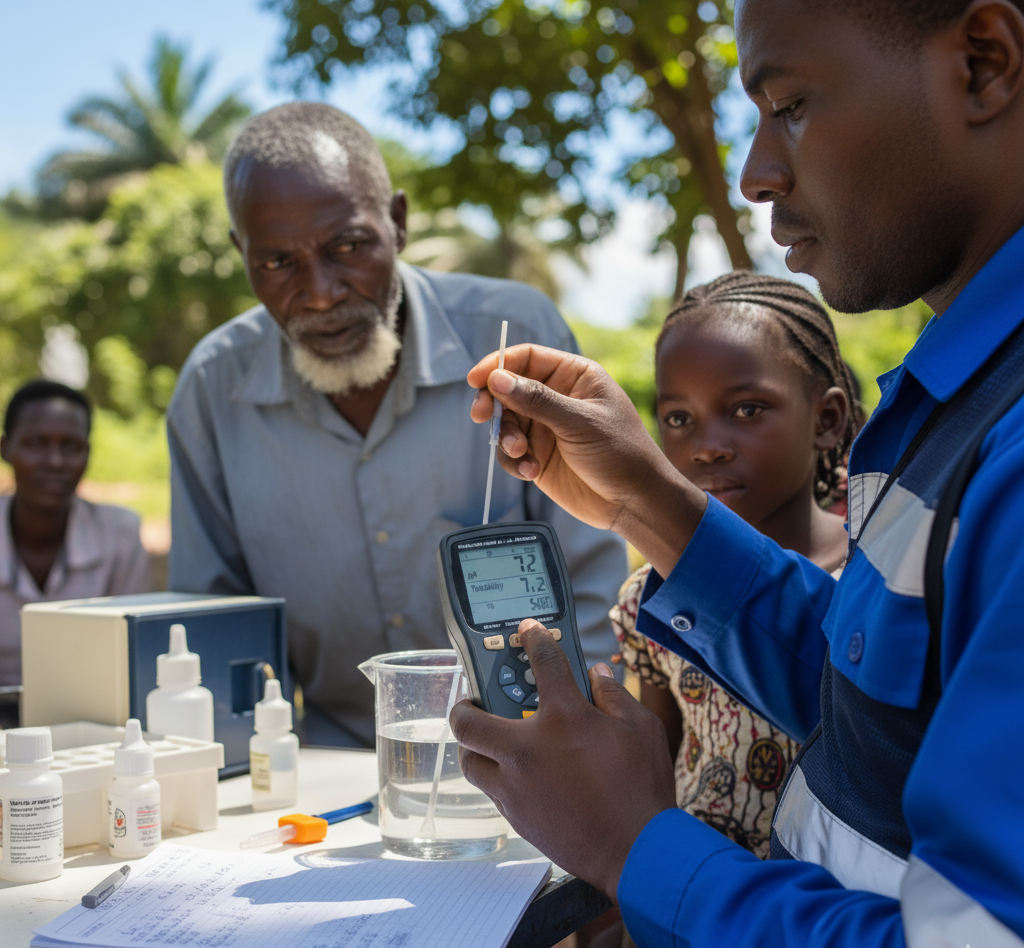
Water Quality Monitoring

Community Water Monitoring

Training local volunteers to regularly test water sources in mining regions for heavy metals, pH changes, and chemical contaminants, creating early warning systems.
Copperbelt Province
32 monitoring sites
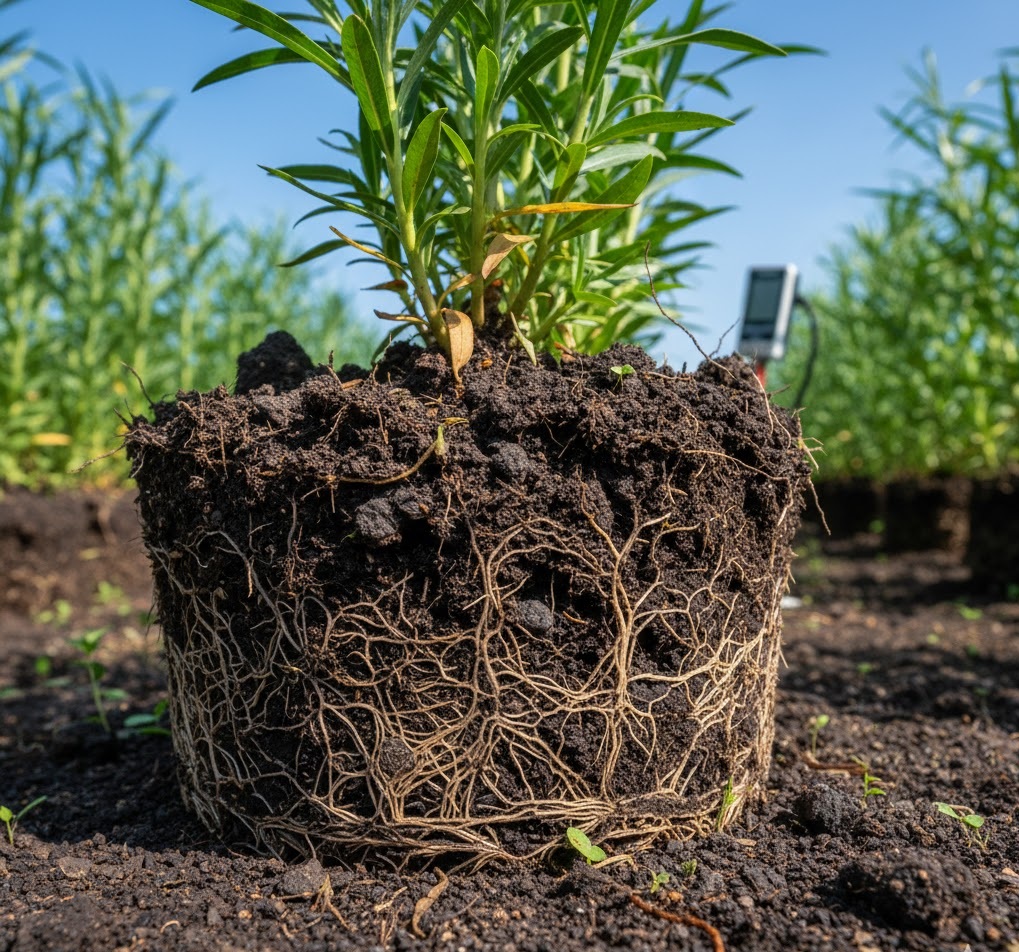
Site Remediation

Phytoremediation Projects

Using native Zambian plant species to extract heavy metals from contaminated soils at abandoned mine sites, restoring land for safe community use.
Kafue River Basin
45 hectares restored
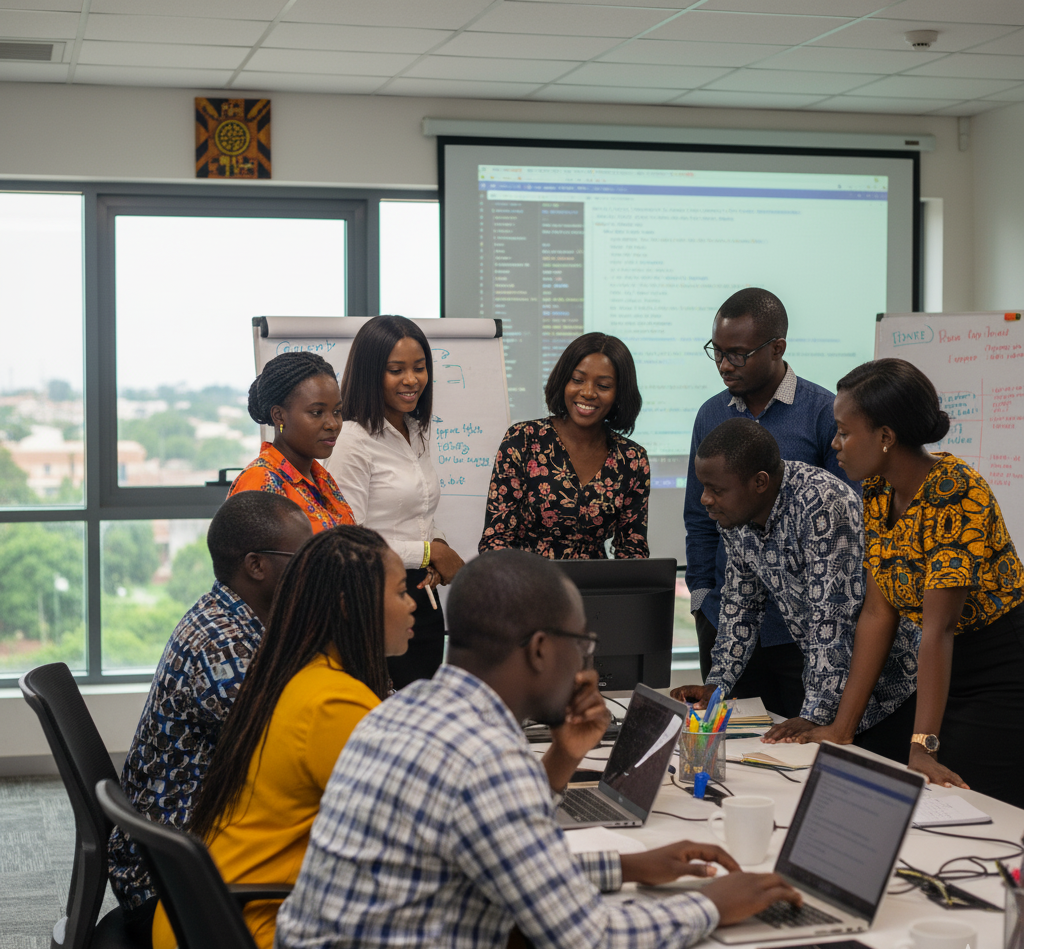
Industry Training

Industry Partnership Program

Working directly with mining companies to implement waste reduction technologies, improve chemical handling, and develop environmental management systems.

Multiple Provinces
8 company partnerships
65%

Reduction in chemical spills

In partner mining operations

1,200+

Community monitors trained

In chemical safety

28

Contaminated sites identified

For remediation priority

15M+

Liters of water protected

Through prevention programs

1.1°C

Global temperature rise since 1850

Source: IPCC, 2023

420ppm

Atmospheric CO2 concentration

Highest in 2 million years

50%

Of emissions from richest 10%

Source: Oxfam, 2023

Urgent Action Required

To limit global warming to 1.5°C, we must reduce global greenhouse gas emissions by 45% by 2030. Current policies put us on track for 2.7°C warming by 2100 - a catastrophic scenario.

Source: UN Environment Programme, 2023

Strategic Partnerships for Environmental Protection

Creating lasting environmental impact through collaborative efforts with government institutions, civil society organizations, and local communities across Zambia.

Government of Zambia Partnerships

Policy Development

Collaborating with the Ministry of Green Economy and Environment to develop and implement national environmental policies, including the National Wetlands Policy and Chemical Management Guidelines.

12 policy frameworks developed since 2020

Regulatory Compliance

Working with ZEMA (Zambia Environmental Management Agency) to monitor industrial compliance and strengthen environmental impact assessment processes.

45+ compliance assessments conducted annually

Key Government Partners

Ministry of Green Economy & Environment

Water Resources Management Authority

Zambia Environmental Management Agency

Local Government Authorities

Civil Society Organization Collaborations

Knowledge Sharing

Partnering with WWF Zambia, Caritas Zambia, and other CSOs to share research, best practices, and environmental monitoring data.

Joint Advocacy

Coordinating advocacy campaigns with the Zambia Climate Change Network and other partners to influence environmental policy.

Resource Mobilization

Collaborating on funding proposals and resource sharing to maximize impact and avoid duplication of efforts.

Community & Traditional Leadership Engagement

Community-Led Conservation

Empowering local communities through Community Resource Boards and Village Action Groups to take ownership of environmental protection initiatives in their areas.

45 Community Conservation Committees established
1,200+ community environmental monitors trained
8 districts with active community partnerships

Traditional Leadership Collaboration

Working closely with Chiefs and Traditional Authorities to integrate indigenous knowledge and traditional conservation practices into modern environmental management.

15 Chiefdoms actively participating
Traditional land management systems documented
Cultural heritage sites protected

Collective Impact Through Partnership

Our collaborative approach has delivered measurable results across Zambia

85%

Increase in community participation in environmental programs

23

Joint environmental policies developed with government

15M+

People reached through collaborative awareness campaigns

"OWNCA's partnership approach has transformed how we address environmental challenges in Zambia. By bringing together government, communities, and civil society, we've created sustainable solutions that respect both scientific knowledge and traditional wisdom."

- Ministry of Green Economy and Environment Official

Government Partner since 2019

Our Only Home

Earth is a unique oasis in the vastness of space - a delicate, interconnected system that sustains all life as we know it.

"We won't have a society if we destroy the environment."

- Margaret Mead

Our Impact & Results

Quantifiable results from our environmental protection initiatives

1,850+

Hectares of wetlands protected

Equivalent to 3,500 football fields

89%

Reduction in illegal logging

In monitored intervention areas

15,000+

Tons of CO2 sequestered annually

Through reforestation efforts

Community Success Story

"Before the project, we struggled with seasonal floods destroying our crops. Now with the restored wetlands, we have protection from floods and new sustainable livelihoods."

- Thandiwe Mwale, Community Leader, Zambia

Biodiversity Recovery

42 bird species returned to restored areas
3 endangered species habitats protected
75% increase in fish stocks in protected wetlands

Our Holistic Approach

Addressing climate change through integrated, multi-level strategies

Community Empowerment

Building local capacity for sustainable resource management and climate resilience through training and support.

  • Community-based monitoring systems
  • Alternative livelihood programs
  • Indigenous knowledge integration

Ecosystem Restoration

Rehabilitating degraded wetlands and forests to enhance biodiversity and carbon sequestration.

  • Native species reforestation
  • Erosion control measures
  • Invasive species management

Policy & Advocacy

Influencing environmental policies and promoting sustainable development frameworks at all levels.

  • National wetland policy development
  • Climate adaptation planning
  • Cross-border conservation agreements

Join Our Conservation Efforts

Your support enables us to expand our interventions and protect vital ecosystems

Support Financially

Your donations directly fund wetland restoration, community training, and conservation programs.

Volunteer

Join our field programs, restoration projects, or awareness campaigns in Africa.

Spread Awareness

Help us educate others about wetland conservation and climate action.