From Pit to Prosperity: Why ESG Matters for Zambia's Mining Regions
As Zambia continues to position itself as a global leader in mining and a key player in the energy transition, the expectations placed on mining companies are rapidly evolving. Mining remains the backbone of Zambia's economy, contributing approximately 70% of export earnings. However, poor environmental management and weak social safeguards present significant risks, including contaminated water systems, degraded soils, community conflict, and reputational damage.
Today, success is no longer measured by production volumes alone; it is increasingly defined by how responsibly those results are achieved. This is where Environmental, Social, and Governance (ESG) principles come into play.
ESG provides a framework for evaluating an organization's performance across key sustainability and ethical dimensions, its environmental footprint, its relationship with communities and workers, and its governance practices, including transparency and accountability. Globally, ESG has evolved from a voluntary commitment into a core business requirement, influencing investor decisions, regulatory compliance and long-term profitability.
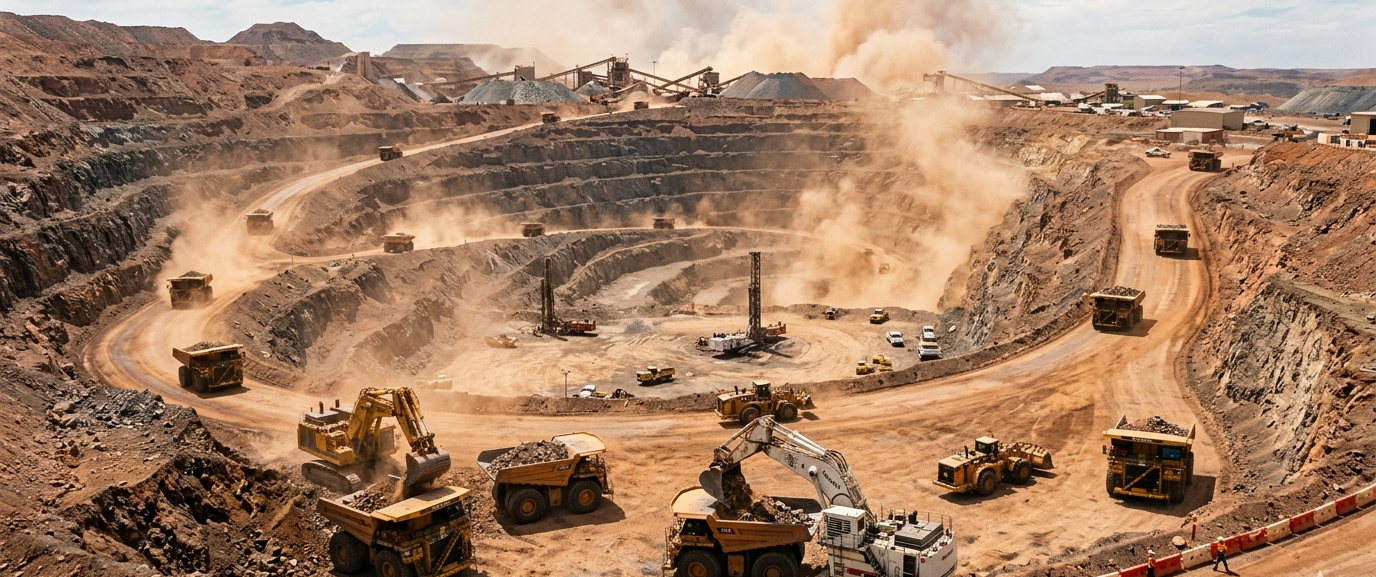
ESG Matters for Zambia's Mining Sector
The environmental impacts of mining in Zambia's Copperbelt are well documented and widely felt. Issues such as acid mine drainage (AMD), heavy metal contamination, soil acidification, air pollution, and deforestation have reshaped landscapes over decades.
Open-pit mining operations and tailings storage facilities contribute to habitat fragmentation, groundwater contamination, and the release of sulphur dioxide and particulate matter into the atmosphere. These impacts are particularly severe across two critical dimensions of biodiversity-terrestrial and aquatic ecosystems where habitat loss, topsoil erosion, dust deposition, and vegetation suppression undermine ecosystem function and local livelihoods.
Aquatic biodiversity has been especially affected. The Kafue River, one of Zambia's most important economic and ecological lifelines, has experienced repeated pollution incidents linked to mining effluents. Studies have shown elevated levels of heavy metals such as copper, cobalt, and lead in sediments, contributing to declining fish populations and reduced aquatic resilience.
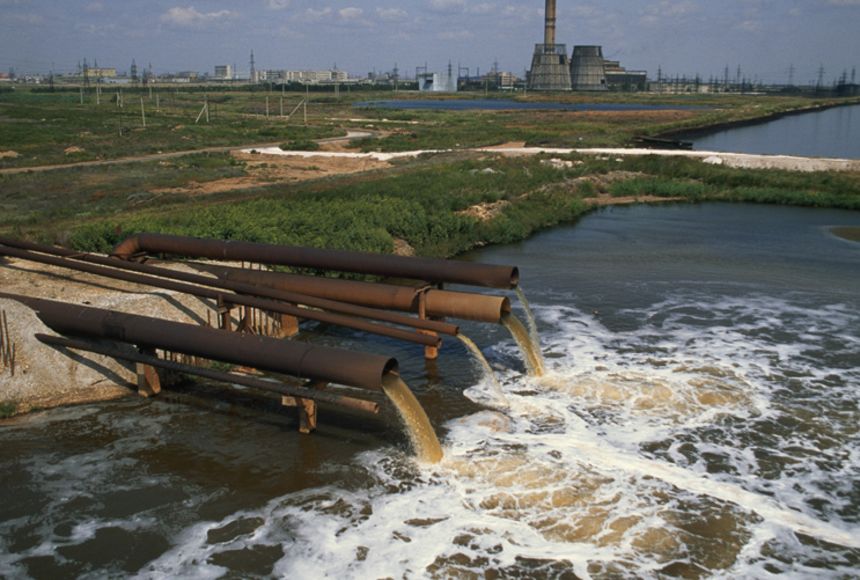
Terrestrial ecosystems are equally under pressure. The miombo woodlands and savanna corridors surrounding towns like Kitwe and Mufulira have been fragmented by mining infrastructure, roads and emissions, isolating wildlife populations and reducing biodiversity.
This reality underscores a critical truth: weak environmental oversight is no longer sustainable. Prioritizing strong ESG practices such as real-time environmental monitoring, improved tailings management, native reforestation and community stewardship is essential to safeguarding biodiversity, ensuring water security and securing long-term economic prosperity.
At the global level, ESG is no longer optional. It is a strategic imperative. As international investors and buyers increasingly demand traceable, low-impact minerals for the clean energy transition, companies that embed strong ESG practices gain a decisive competitive advantage. Those that do not face increasing risks, including regulatory penalties, community resistance, reputational damage, and rising environmental remediation costs.
The Conservation Connect - OWNCA's Call
At OWNCA, we see ESG not as a compliance checkbox, but as a powerful bridge between industry and nature.
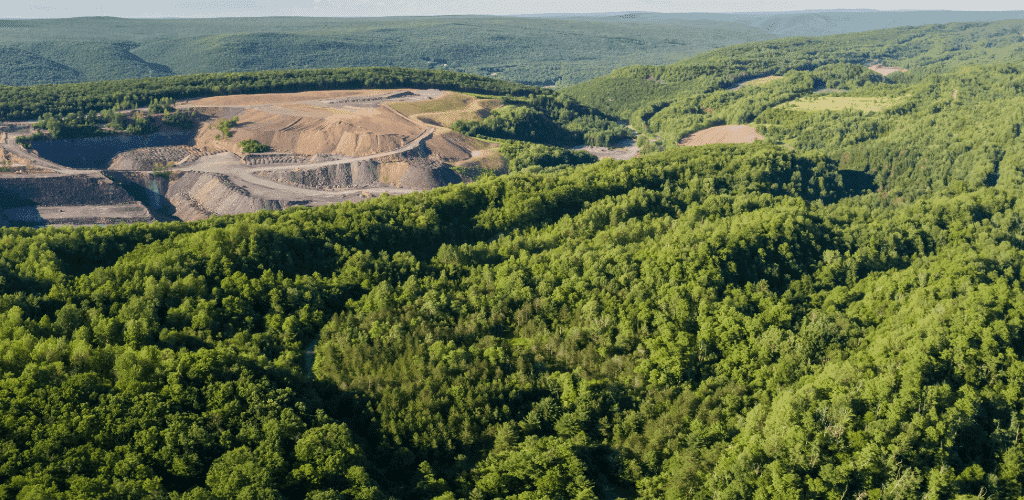
Mining companies that strengthen their environmental commitments through native reforestation, wildlife corridor protection, and reduced chemical runoff can significantly enhance ecosystem resilience while improving operational sustainability.
Tailings facilities designed with biodiversity buffer zones
Mine closure plans that restore land into productive ecosystems
Communities trained in regenerative agriculture and conservation practices
These are not abstract ideas, they are practical, proven ESG solutions already being implemented in parts of Africa and globally, and increasingly gaining traction within Zambia.
The Role of Conservation Organizations
Organizations like OWNCA play a critical role in advancing ESG by:
- Providing technical expertise in ecosystem restoration and biodiversity conservation
- Facilitating partnerships between communities, government, and industry
- Supporting data-driven environmental monitoring and decision-making
By working collaboratively with mining and other industries, conservation organizations help translate ESG commitments into measurable, on-the-ground impact.
A Call to Action for Zambia's Mining Industry
Zambia stands at a pivotal moment. As global demand for critical minerals such as copper continues to rise, driven by renewable energy technologies and electrification, the responsibility to ensure sustainable extraction has never been greater.
ESG is not just a framework,it is a pathway toward:
- Resilient ecosystems
- Empowered communities
- Sustainable economic growth
For mining and Other Industries operating in Zambia, the message is clear:
the future of mining is not only about what you extract, but how you protect, restore, and sustain the environment and communities around you.
This call extends beyond the mining sector to all industries operating within Zambia's natural landscapes.
Partner with OWNCA
Explore how we can work together in ESG assessment, reporting, and implementation, driving solutions that benefit both business and nature.