Living with Giants: Human–Animal Conflict at Mosi-oa-Tunya National Park
A case study on elephant endangerment and human-wildlife coexistence in Livingstone, Zambia
Overview
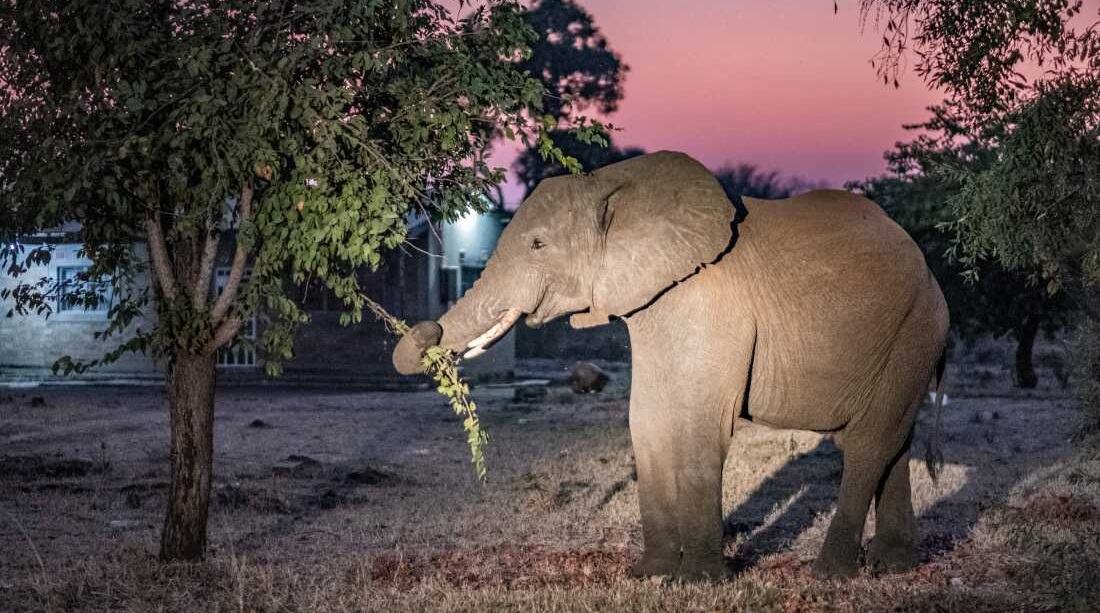
Mosi-oa-Tunya National Park sits on the northern edge of the Zambezi River, a short drive from Livingstone and the world-famous Victoria Falls. It is a small but important protected area that supports elephants, hippos, antelope and many bird species and it sits at a difficult interface where rapidly expanding human use of land meets large, wide-ranging wildlife. This case study examines the drivers and impacts of human–animal conflict (HAC) around Mosi-oa-Tunya, documents recent responses and places those local pressures in the context of the global IUCN assessment of African elephants.
Research Objective
The study aimed to identify the leading causes of human–animal conflict in and around Mosi-oa-Tunya National Park and propose practical, community-driven solutions to reduce incidences and promote peaceful coexistence.
The IUCN Status of Elephants — Global Context
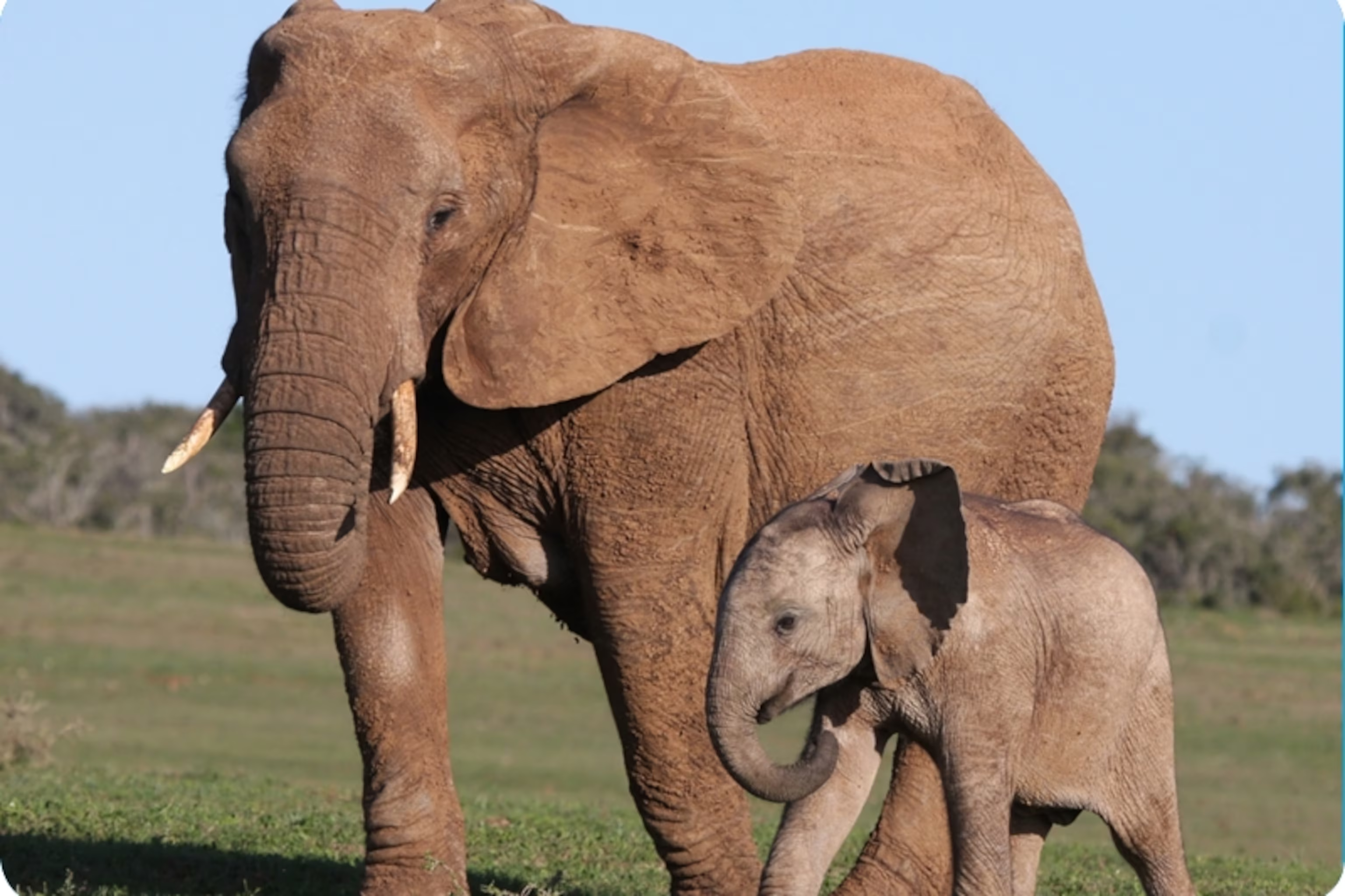
In March 2021, the IUCN declared the African savanna elephant (Loxodonta africana) as ENDANGERED
The IUCN split African elephants into two species for assessment purposes and reassessed their conservation status: the African savanna elephant is listed as Endangered and the African forest elephant as Critically Endangered. That uplisting reflects ongoing threats — poaching, habitat loss, fragmentation and rising human–elephant conflict — which are directly relevant to the pressures seen around Livingstone and Mosi-oa-Tunya.
KAZA Elephant Survey 2022 Key Findings
Methods
OWNCA’s team conducted data collection between August and September 2025 through:
- Structured interviews with 65 local households, park rangers, and wildlife officers.
- Direct observation of conflict hotspots around Sinde, Simonga, and Mukuni villages.
- Review of Zambia Department of National Parks and Wildlife (DNPW) incident reports from 2020–2024.
Key Findings
- 1. Habitat Encroachment and Land Pressure Our research found that 72% of human–animal conflict cases stem from encroachment into wildlife corridors. Expanding agriculture, charcoal burning, and settlement growth have reduced buffer zones, forcing elephants and buffaloes into farmlands in search of food and water.
- 2. Crop Raiding by Elephants Elephants were responsible for over 60% of reported incidents, primarily during the dry season (June–October), when water and natural forage are scarce. Maize, sorghum, and sugarcane fields are the most affected, with some farmers reporting up to 40% yield loss annually.
- 3. Water Source Competition Dry-season water scarcity has led to increased encounters between wildlife and communities along the Zambezi River and small waterholes. Hippos and crocodiles pose particular risks to people fetching water, fishing, or bathing near riverbanks.
- 4. Poor Waste Management in Bordering Communities Open waste disposal near Livingstone town attracts baboons, warthogs, and monkeys, leading to property damage and health risks. Waste sites have effectively become “feeding stations” for wildlife straying outside the park boundaries.
- 5. Weak Enforcement and Awareness Gaps Interviews with park rangers revealed limited patrol capacity and low community awareness of wildlife laws. Only one ranger is assigned per 15 square kilometers, reducing rapid response capability during conflict incidents.
Mosi-oa-Tunya: An Unusual Conflict Hotspot
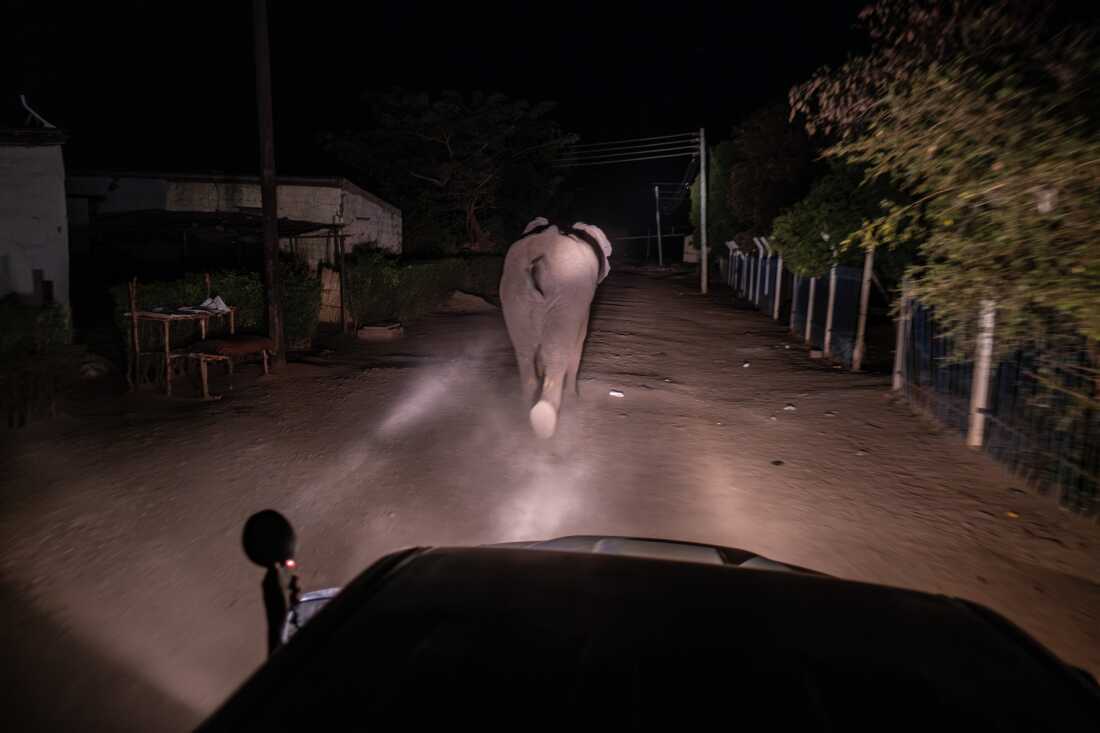
Mosi-oa-Tunya National Park is relatively small compared with Zambia's large parks, but it is strategically located beside Livingstone town and attractions that generate tourism pressure. That proximity means people and wildlife share a narrow landscape more intensively than in most remote parks.
Crop Loss & Food Insecurity
Subsistence farmers lose substantial portions of maize and vegetable plots
Property Damage & Safety Risk
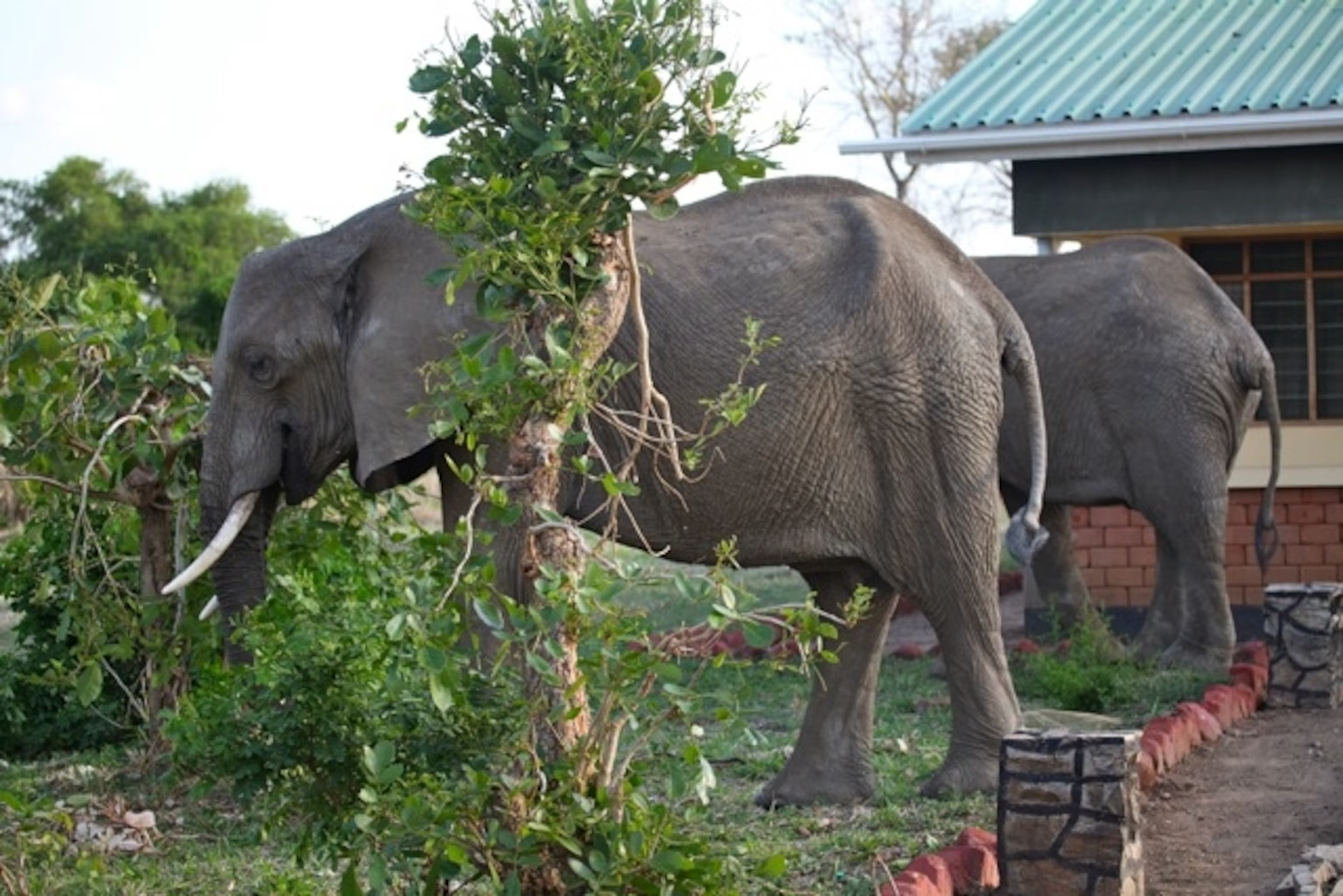
Elephants and baboons break into gardens and compounds
Tourist Interface Risk
Dangerous encounters between elephants and tourists/service workers
Drivers of Conflict Around Livingstone
Landscape Squeeze & Habitat Fragmentation
Urban expansion and agriculture reduce natural habitat corridors
Crop & Resource Attraction
Irrigated gardens offer palatable, high-calorie crops attracting wildlife
Population Shifts
Regional elephant movements push animals closer to towns and farms
Insufficient Deterrents
Limited physical barriers and inconsistent compensation schemes
Local Responses & Solutions
Rapid Response Teams
DNPW developed rapid-response capability to move animals away from settlements and coordinate relocations
Physical Deterrents
Reinforced kraals, chilli fences, beehive fences, and early-warning systems reduce losses
Recommendations for Coexistence
1. Restoration of Wildlife Corridors
Rehabilitating degraded buffer zones through community-led reforestation and establishing green corridors will allow animals to move safely without entering farmlands. OWNCA proposes integrating this with our Copperbelt Reforestation and River Health Initiative for landscape connectivity.
2. Adoption of Non-Lethal Deterrents
Encouraging the use of chili fences, beehive barriers, and reflective deterrent tapes has proven effective in regions like Kenya and Botswana. These methods are cost-effective and environmentally friendly.
3. Education and Coexistence Campaigns
OWNCA plans to continue wildlife awareness sessions and school-based conservation education programs to promote tolerance and understanding of the ecological importance of wildlife.
4. Water Management and Alternative Sources
Developing boreholes and community water points away from main wildlife routes can reduce encounters around natural water sources, especially during the dry season.
5. Waste Management Improvement
Municipal authorities should implement secure waste collection points and regular disposal schedules to prevent scavenging wildlife from leaving the park in search of food.
Key Statistics
Quick Facts
- Mosi-oa-Tunya means "The Smoke That Thunders"
- Park located near Victoria Falls World Heritage Site
- Supports elephants, hippos, antelope and diverse bird species
- Critical human-wildlife interface zone
Conclusion
Mosi-oa-Tunya National Park exemplifies a central conservation dilemma: how to protect globally threatened megafauna listed as Endangered at the species level by the IUCN, while safeguarding the livelihoods and safety of people who live right alongside them. The challenge lies in balancing conservation with community needs. Our findings show that habitat encroachment, resource competition, and poor waste management are key drivers, but also that solutions lie in collaboration between communities, the Department of National Parks and Wildlife, and conservation organizations like OWNCA.